

April 25, 2026 •Podiatry Associates of Indiana
.png?height=630&name=coverphoto%20(1).png)
As the weather warms up, many active adults and athletes trade supportive sneakers for sandals and flip flops. While that seasonal switch feels natural, it can also trigger foot pain that seems to come out of nowhere. At Podiatry Associates of Indiana, we often see an increase in heel pain, arch strain, tendon irritation, and forefoot discomfort during spring and early summer because warm-weather footwear tends to offer less support than patients realize.
For many people, sandals are fine in small doses. The problem starts when flimsy footwear becomes an everyday choice for walking, travel, errands, outdoor events, or long hours on your feet. That sudden change in support can place extra stress on the plantar fascia, tendons, joints, and muscles that help stabilize the foot. If you already have a history of plantar fasciitis, flat feet, bunions, or chronic heel pain, flip flop season can make symptoms worse very quickly.
Why Sandals Can Cause Foot Pain
Not all sandals are bad for your feet, but many popular styles provide very little structure. Thin soles, poor arch support, and a loose fit can force your feet to work harder with every step. Flip flops are especially known for this because the toes often have to grip the shoe to keep it in place, which can change the way you walk and increase strain across the foot.
This matters even more in spring because activity levels often increase at the same time footwear support decreases. You may be walking more, returning to outdoor workouts, coaching spring sports, traveling, or standing longer at weekend events. When your shoes are not helping absorb force and stabilize movement, your feet take on more of that workload.
For patients who already deal with heel pain, that extra stress can contribute to plantar fasciitis flare-ups. If you want more background on persistent heel pain and plantar fasciitis, read our article on heel pain and plantar fasciitis.
Common Foot Problems Linked to Flip Flops and Unsupportive Sandals
Warm-weather footwear can aggravate a wide range of issues. Some patients notice soreness after only a few days of wearing flip flops regularly, while others develop symptoms gradually over the course of the season.
Common problems we see with unsupportive sandals include:
- Plantar fasciitis and morning heel pain
- Arch fatigue and soreness after walking
- Achilles tendon strain from poor foot mechanics
- Forefoot pain from thin soles and lack of cushioning
- Toe gripping that contributes to muscle fatigue
- Increased irritation around bunions or hammertoes
These symptoms can affect active adults in particular because spring and summer often bring more steps, more standing, and more recreational activity. What feels like a simple footwear change can become a meaningful source of pain when it happens alongside a busier season.
Who Should Be Most Careful With Sandals?
Some people can wear sandals occasionally without much trouble, but others need to be more selective. If you have a history of plantar fasciitis, chronic heel pain, tendonitis, flat feet, high arches, bunions, hammertoes, or ankle instability, your feet may be less forgiving when support is reduced.
Athletes and very active adults should also be cautious. Even if you wear supportive shoes for workouts, spending the rest of the day in flimsy sandals can still increase strain and slow recovery. The foot never really gets a break if it is unsupported between practices, runs, games, or training sessions.
Older adults may notice the same issue for a different reason. Over time, natural changes in the foot can reduce cushioning and alter mechanics, which makes poor footwear choices more noticeable. Our article on chronic heel pain in older adults offers more context on how heel pain can extend beyond plantar fasciitis alone.
Signs Your Sandals May Be Causing Problems
Sometimes patients do not connect their pain to their footwear right away. They assume the problem is from exercise, long workdays, or simply being on their feet more. In reality, the shoe choice may be playing a major role.
A few signs can point to sandals as part of the problem. Pain may start after switching to flip flops for the season. Symptoms may feel worse after long walks, outdoor events, vacations, or standing on hard surfaces. You may also notice that your feet feel better on days when you wear more supportive shoes.
It is also important to pay attention to symptoms that should not be brushed aside. If foot pain becomes sharp, persistent, or associated with swelling, bruising, numbness, or difficulty walking, a closer evaluation is a smart next step. Our article on red flags in foot and ankle complaints explains when specialist care is especially important.
What Makes a Sandal Better for Your Feet?
A better sandal starts with better structure. Supportive warm-weather footwear should help hold the foot in a stable position rather than forcing the foot to do all the work on its own. A more supportive sandal often has a contoured footbed, a more secure fit, better arch support, and enough sole thickness to reduce impact from hard surfaces.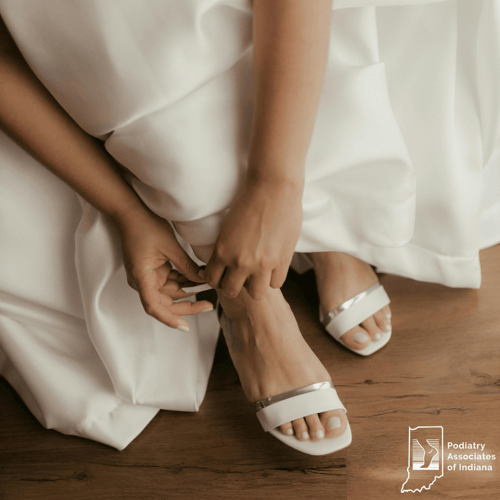
That does not mean every patient needs to avoid sandals completely. It means the right style matters. If you are walking long distances, spending full days on your feet, or dealing with an existing foot condition, flimsy flip flops are usually not the best choice. Supportive sandals may be a better option, especially when matched to your foot type and activity level.
Why Seasonal Footwear Choices Matter for Active Adults
Spring is often the start of a more demanding season for the feet. People get outside more, increase exercise, attend more events, and spend more time moving overall. For athletes, spring can also mean training, conditioning, and competition. In that setting, shoe support becomes part of injury prevention.
When footwear fails to support the foot well, the result can be more than just soreness. Poor mechanics can affect how force travels through the ankle, knee, and lower leg. Over time, that can contribute to compensation patterns that make activity less comfortable and less efficient.
We want patients to enjoy the season without turning a simple shoe choice into weeks of pain. Catching the problem early and adjusting footwear can help prevent a minor issue from becoming a lasting one.
When to Schedule an Appointment
If your feet hurt every time flip flop season begins, it is worth finding out why. Persistent heel pain, arch pain, tendon irritation, or forefoot discomfort should not be something you simply push through. The right diagnosis can help us determine whether your symptoms are caused by plantar fasciitis, overuse, poor footwear support, or another foot and ankle condition.
Early care is especially helpful for active adults and athletes because it can reduce downtime and help keep symptoms from worsening as activity levels rise. We look at the full picture, including your symptoms, footwear, activity demands, and foot structure, so treatment can be tailored to your needs.
Common Questions We Get Asked
Q: Are flip flops bad for your feet?
A: Flip flops can be hard on the feet when worn for long periods because they often provide very little arch support, cushioning, or stability.
Q: Can sandals cause plantar fasciitis?
A: Unsupportive sandals can contribute to plantar fasciitis flare-ups by increasing strain on the plantar fascia, especially in active adults who are walking or standing more in spring.
Q: What foot pain is common during sandal season?
A: Heel pain, arch soreness, Achilles tendon irritation, forefoot pain, and bunion discomfort are all common complaints during sandal season.
Q: Are supportive sandals better than flip flops?
A: In many cases, yes. Sandals with a contoured footbed, better arch support, and a more secure fit are usually easier on the feet than thin, floppy flip flops.
Q: When should I see a podiatrist for sandal-related foot pain?
A: You should schedule an appointment if pain is persistent, worsening, affecting activity, or accompanied by swelling, bruising, numbness, or difficulty walking.
If flip flop season is bringing back heel pain, arch strain, or foot fatigue, schedule an appointment with Podiatry Associates of Indiana so we can identify the cause and help you stay active more comfortably.